Biochemistry
Biochemistryis a scientific field that investigates the chemistry of living organisms. It encompasses topics such as the structure of biological molecules, metabolism, cellular processes, and disorders resulting from deficiencies in these reactions. Given the vast scope of biochemistry, it shares close connections with other branches of biology, including physiology, toxicology, molecular biology, genetics, pharmacology, and more.
-

Review All Substrates for Gluconeogenesis
Maintaining stable blood glucose levels is a critical metabolic priority for the human body, essential for the continuous function of…
-
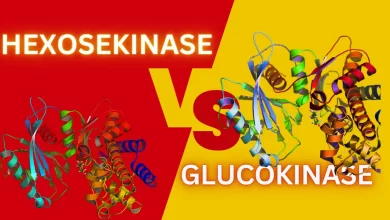
Differences between Glucokinase and Hexokinase
Glucose metabolism is central to cellular bioenergetics and is the main energy source for most organisms. Hexokinase and glucokinase are…
-
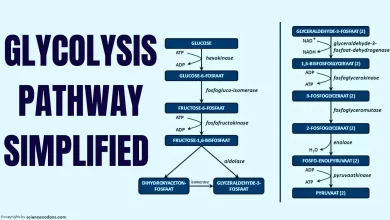
Glycolysis pathway simplified (REVIEW all 10 steps of Glycolysis)
Glycolysis can be divided into two phases: the preparatory phase and the payoff phase. During the preparatory phase, glucose is…
-
What are the advantages of Glycolysis?
The main goal of the glycolysis pathway is to produce energy, and all body cells can use the glycolysis pathway…
-
What Kind of Molecule is an Enzyme?
All biological reactions in the body take place in the presence of one or more enzymes. Enzymes are catalysts that…
-
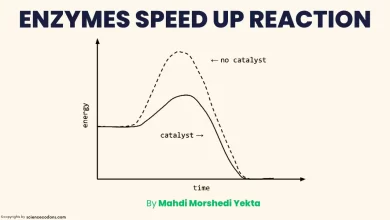
How do enzymes speed up chemical reactions?
Although the chemical processes necessary to support life—from breaking down food to copying DNA—would ordinarily take years or even centuries…
-
All Factors Affecting the Speed of Enzymatic Reactions
Enzymes are the microscopic workhorses of all living things. These proteins act as biological catalysts, dramatically speeding up the chemical…
-
Important Peptides in Biology & Biochemistry 2026 (Full List)
Peptides are biological molecules formed by the linkage of 2 to 50 amino acids. They perform a wide range of…
-
Metabolism & Functions of copper in the body (Full review)
The amount of copper (Cu, atomic number 29, atomic mass 62) present in the human body is approximately 90 milligrams.…
-
Beta Oxidation of Fatty Acids in Mitochondria and Peroxisomes (Full review)
Beta oxidation is a cellular biochemical reaction that produces energy from lipids. We will thoroughly examine the β-oxidation of different…