📟Preview
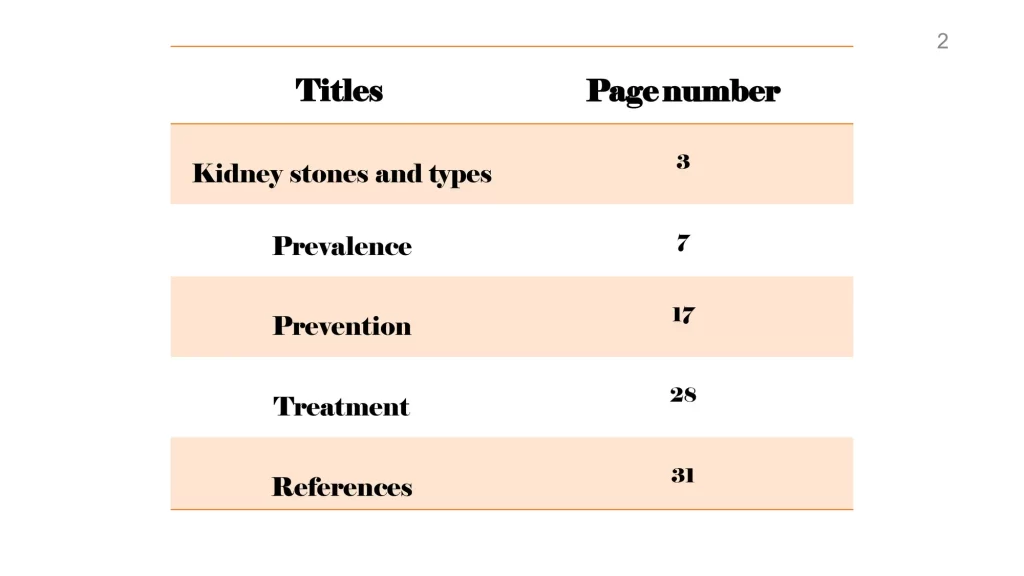
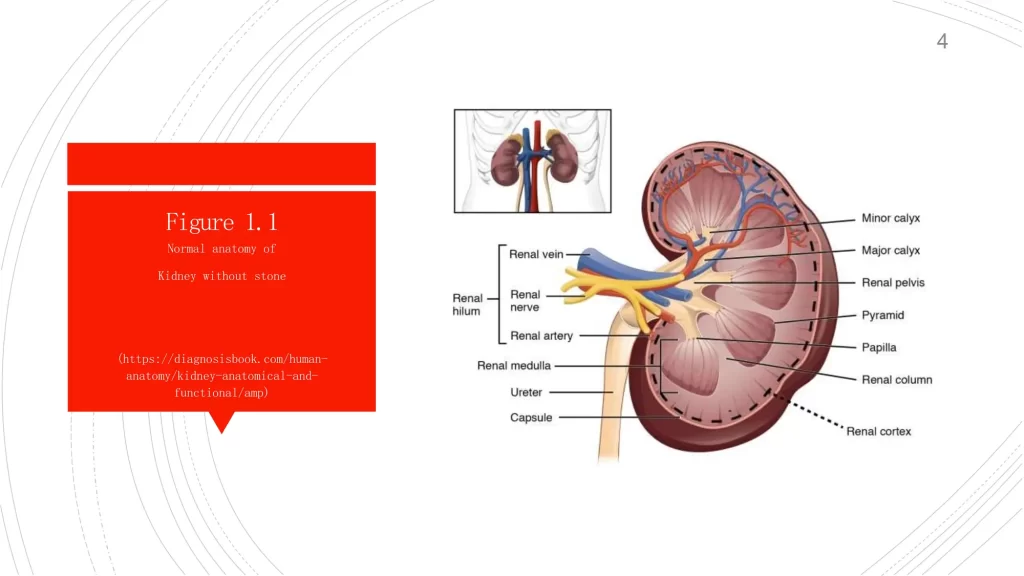
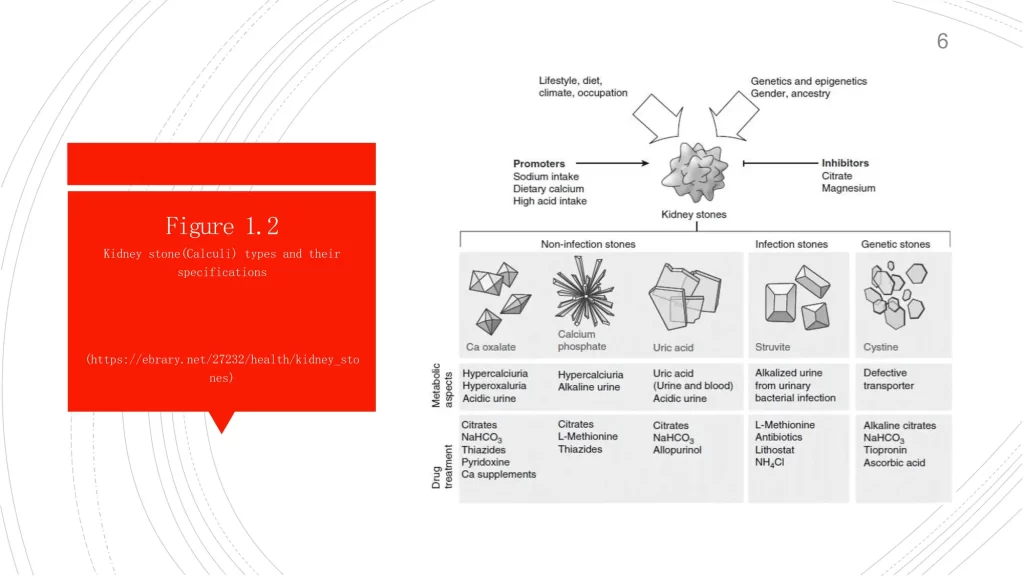
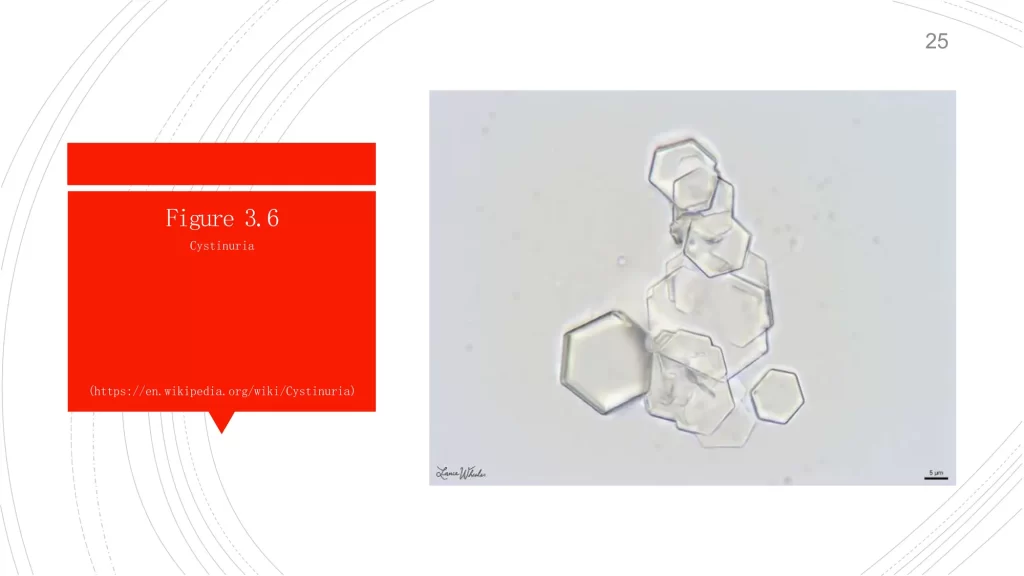
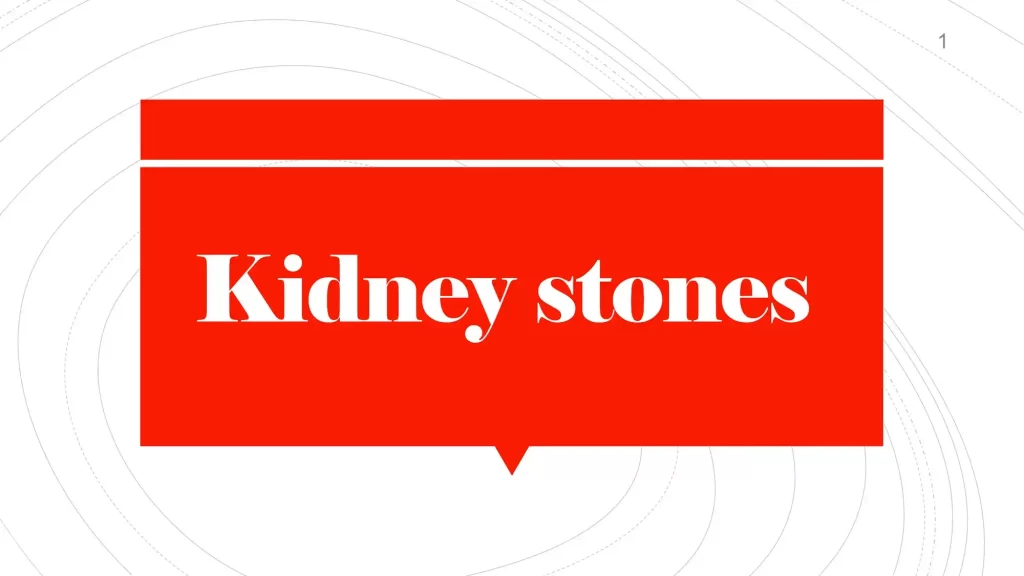
In this PowerPoint presentation, we discuss kidney stones and their types, and we cover different aspects of this metabolic disorder. We try to clarify some common questions about Renal stones, such as:
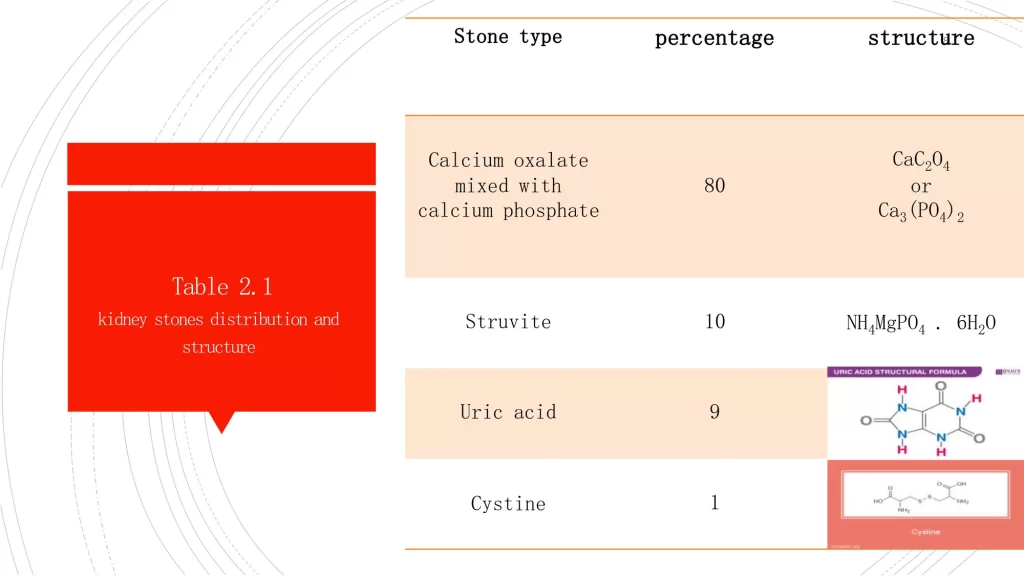
- What are the different types of kidney stones and their prevalence?
- How do vitamin C and D supplements impact the risk of developing kidney stones?
- How do dietary and behavioral interventions play a role in preventing kidney stones?
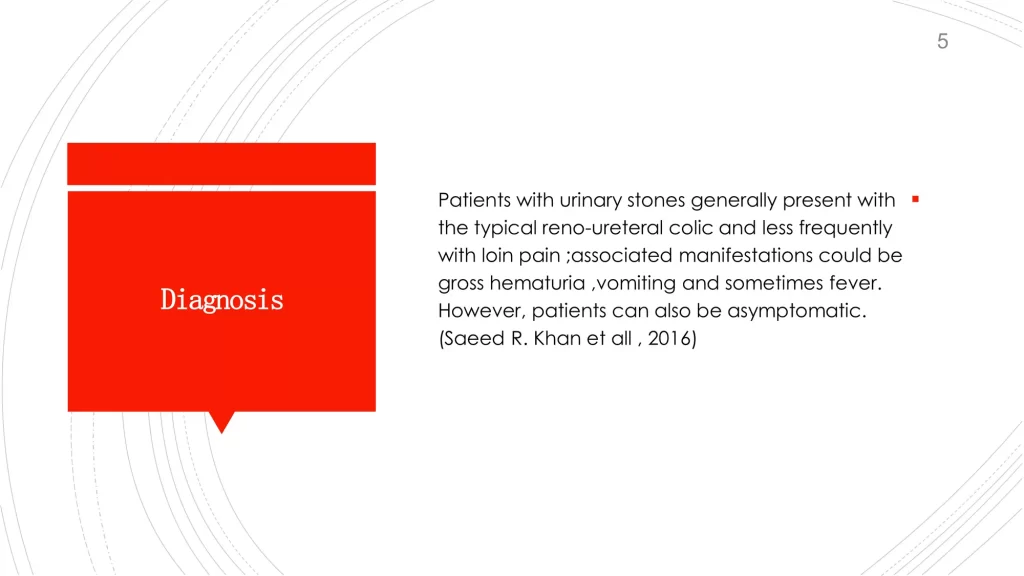
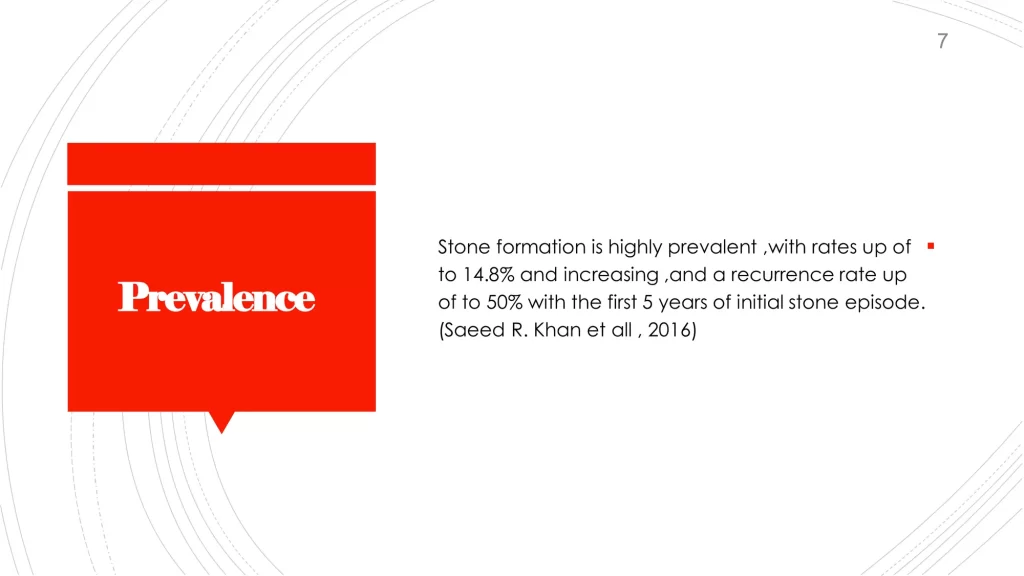
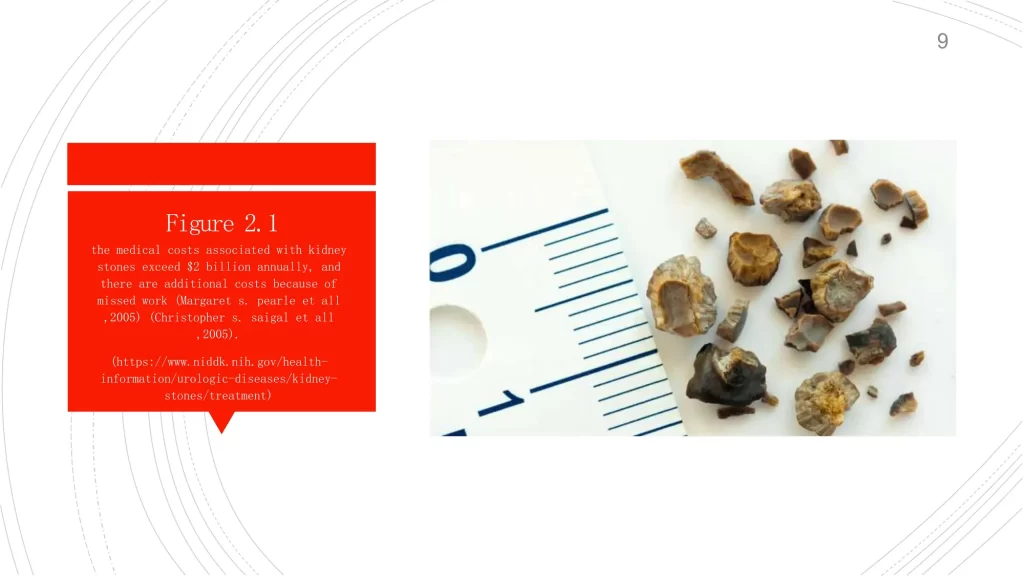
Kidney stones are a common health issue with a high prevalence and recurrence rate. They are typically diagnosed through symptoms like renal colic, pain, hematuria, vomiting, or fever. The economic burden of kidney stones is substantial, with annual medical costs exceeding $2 billion in the U.S.
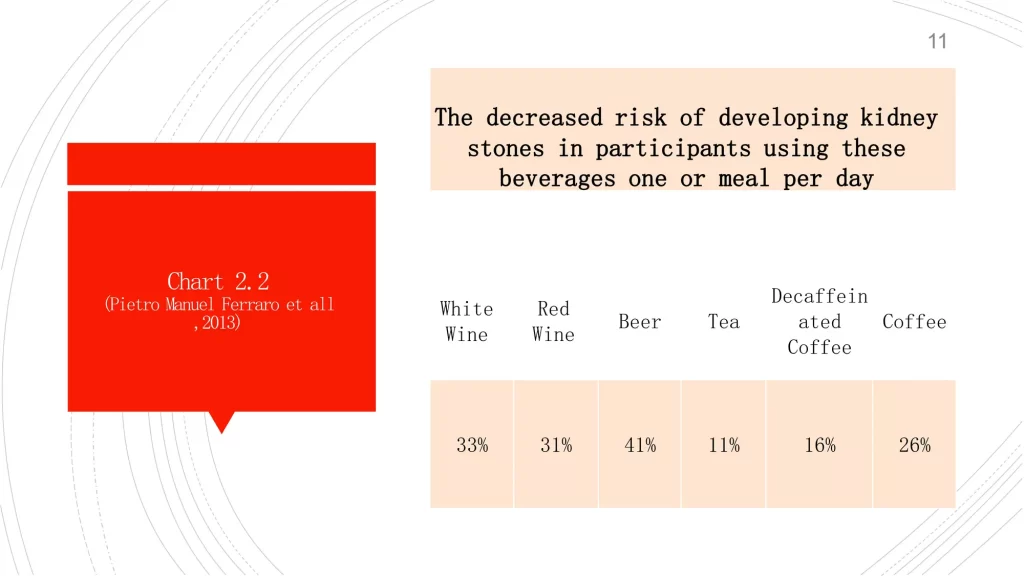
The document outlines various factors influencing Renal stone formation, including dietary habits and the consumption of certain beverages. It highlights an increased risk associated with drinks like juice, punch, and sugary sodas, while beverages like wine, beer, tea, and coffee may reduce the risk.
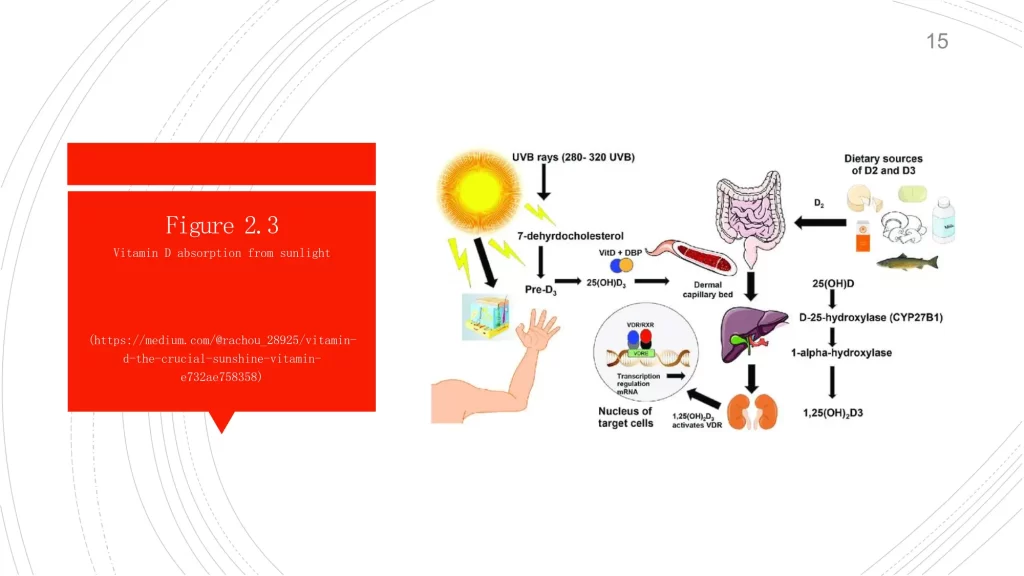
The COVID-19 pandemic has seen a rise in cases, partly due to increased vitamin C and D supplement intake. Vitamin C, metabolized into oxalate, can contribute to stone formation, while vitamin D, which regulates calcium-phosphorus balance and immune function, may increase calcium excretion in urine.
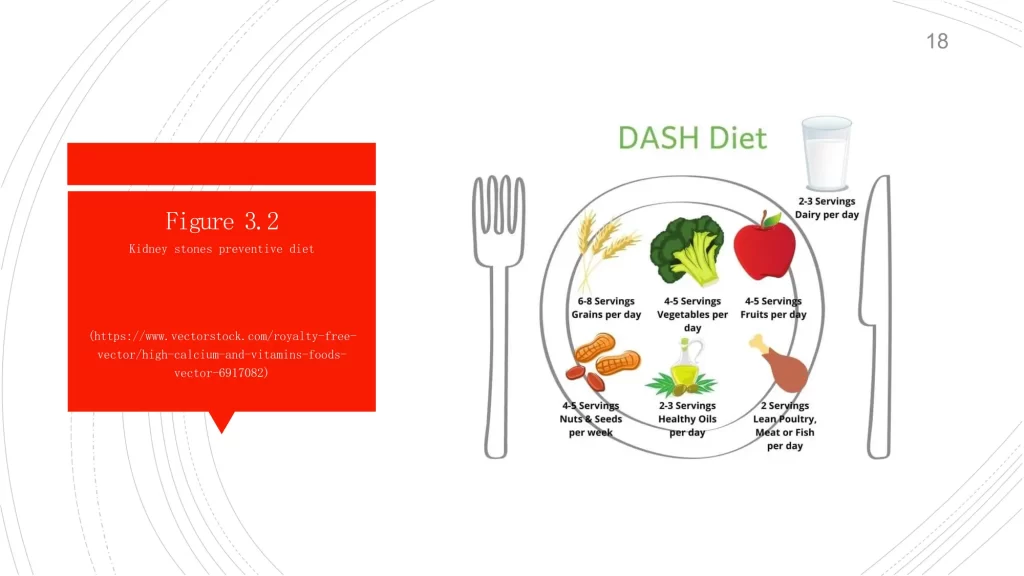
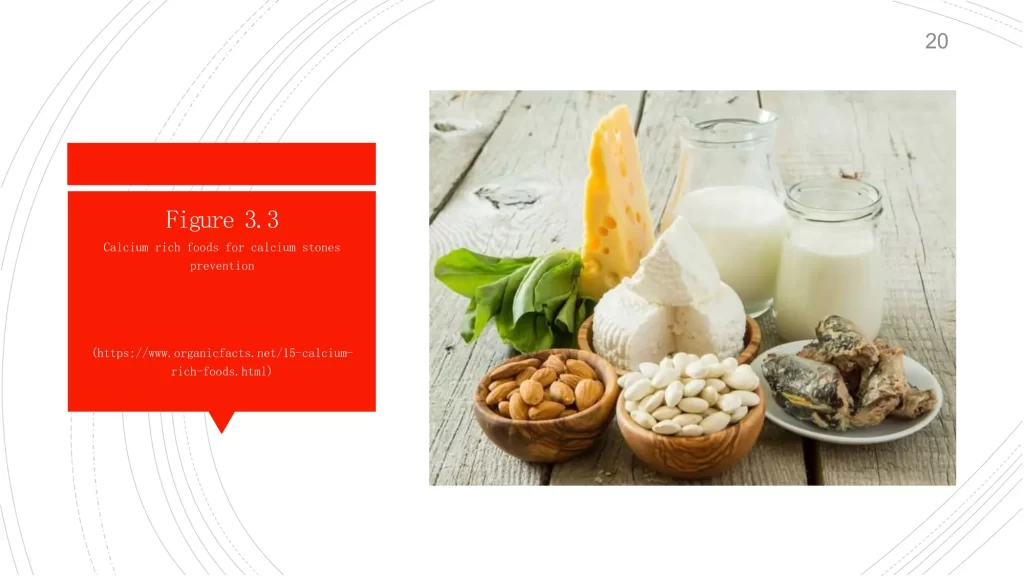
Preventive measures include dietary changes, such as limiting high-oxalate foods and adjusting urinary pH. Specific strategies vary by stone type, with calcium-rich foods recommended for calcium stone prevention and sodium bicarbonate or potassium citrate for uric acid and cystine stones. Struvite stone prevention requires complete stone removal to eliminate infection reservoirs.
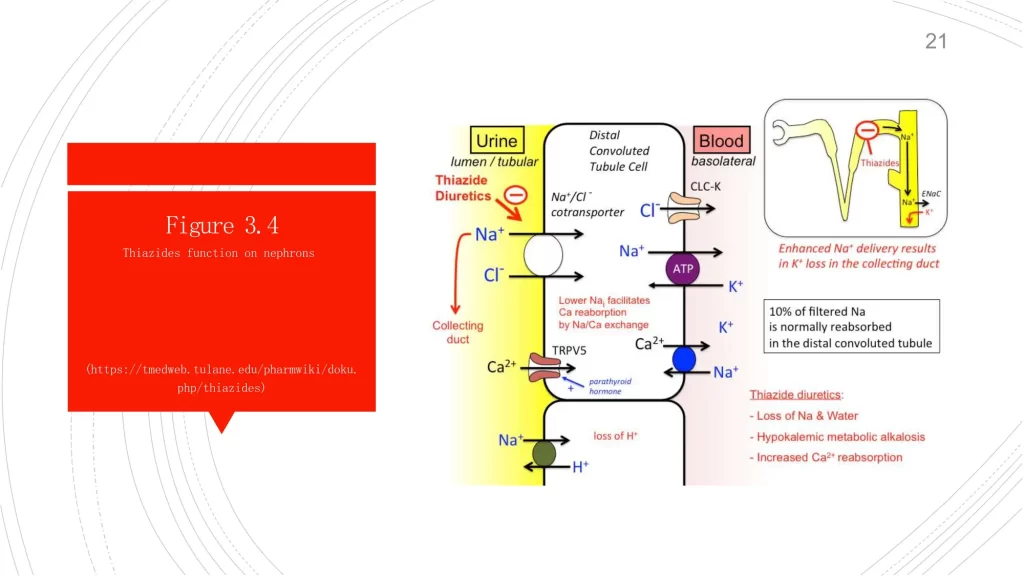
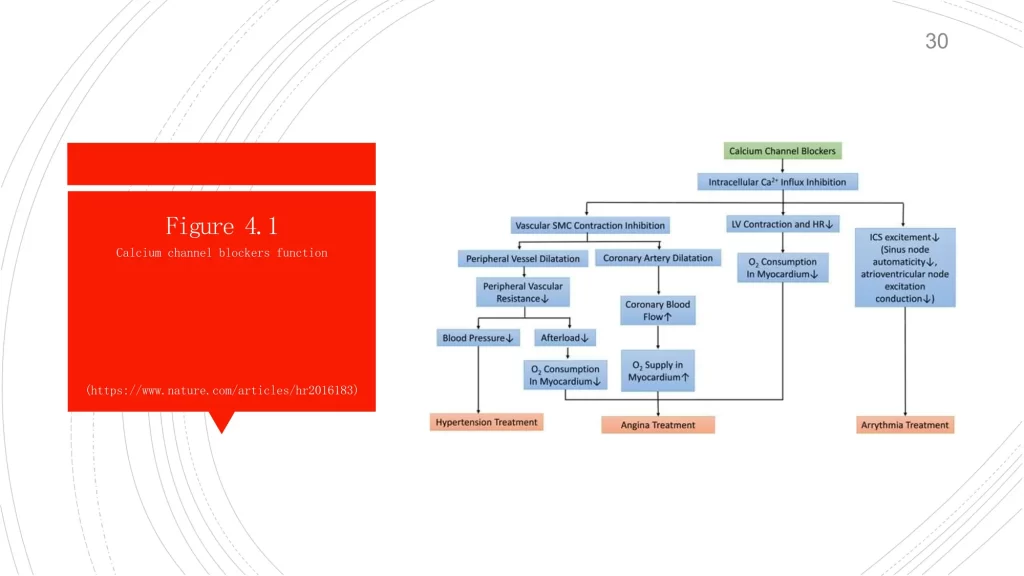
Treatment options for kidney stones include shockwave lithotripsy and the use of calcium channel blockers. The document concludes with references to scientific literature for further reading on kidney stone management.
This article was medically reviewed for accuracy by Dr. Zeinab Morshedi Yekta. The content is based on scientific evidence and is intended to be educational. It does not replace professional medical advice.
References
- Soda and Other Beverages and the Risk of Kidney Stones, Pietro Manuel Ferraro, EricN. Taylor, Giovanni Gambaro, Gary C. Curhan, CJASN Aug 2013, 8 (8) 1389-1395; DOI: 10.2215/CJN.11661112
- Khan SR, Pearle MS, Robertson WG, Gambaro G, Canales BK, Doizi S, Traxer O, Tiselius HG. Kidney stones. Nature reviews Disease primers. 2016 Feb25;2(1):1-23.
- Aya Karam, Georges Mjaess, Hadi Younes, Fouad Aoun, Increase in urolithiasis prevalence due to vitamins C and D supplementation during the COVID-19 pandemic, Journal of Public Health, 2021; fdab328